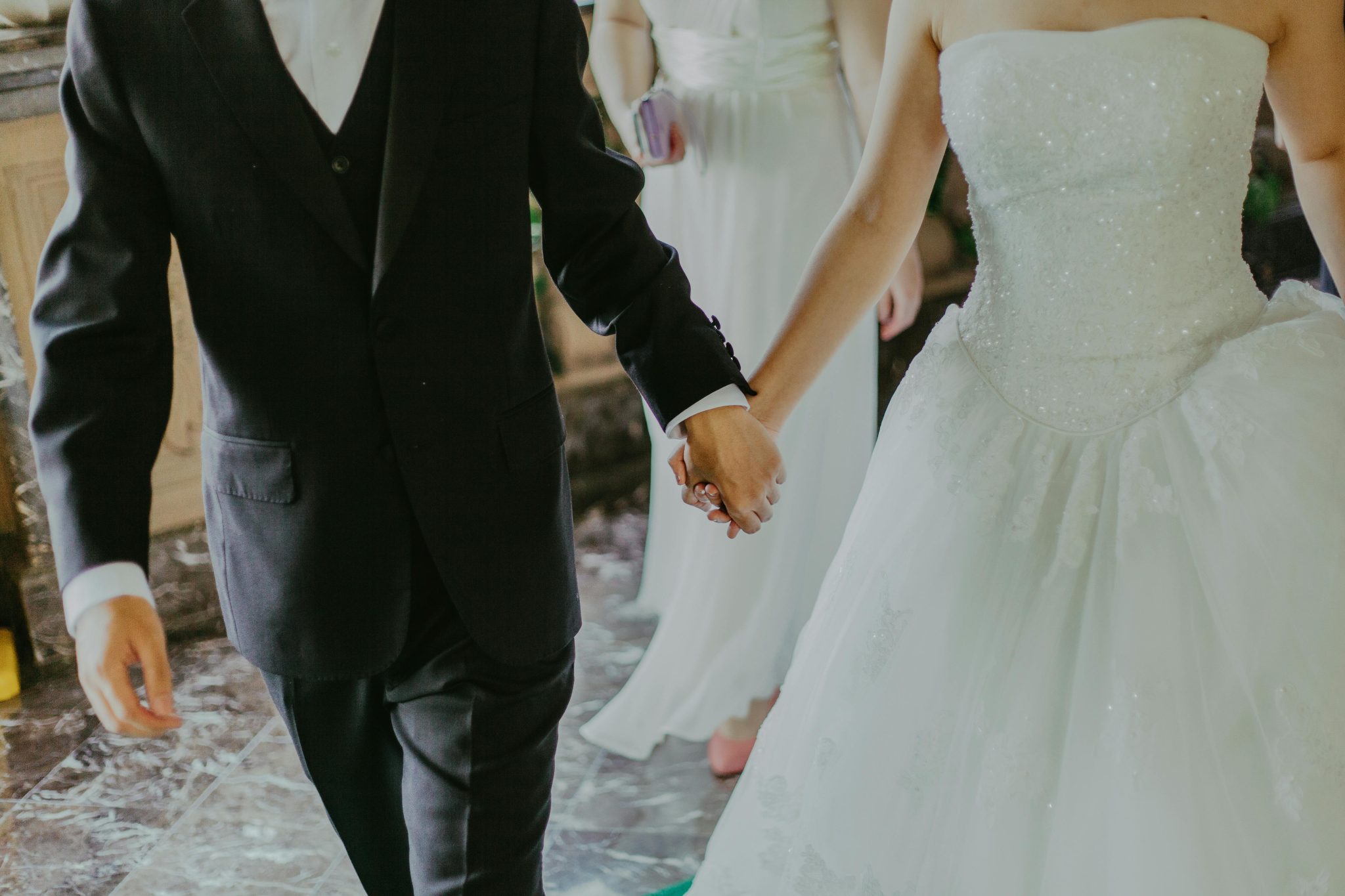
The traditional image of a wedding often involves a large church gathering, a white dress, and a standard gold band. However, the modern era has seen a departure from these set expectations.
For many couples today, the focus has moved from following a specific social script to creating an event that mirrors their personal values and lifestyle. This change is particularly evident in how people choose symbols of their commitment. Instead of following rigid rules, they are choosing items that represent their unique history.
Data indicates that this shift is not just a passing phase. In the United Kingdom, the average age at first marriage has risen significantly over the last few decades.
According to the Office for National Statistics, the average age for a first marriage is now approximately 31.5 years for women and 33.4 years for men. This delay often means that couples are more financially independent and have a clearer sense of their personal style when they decide to marry.
Consequently, they are less likely to settle for mass-produced items and more likely to invest in pieces that offer longevity and personal meaning.
The Rise of Sustainable and Ethical Choices
Sustainability is no longer a niche concern for the average shopper. It has become a primary factor in the decision-making process for younger generations. Many couples now prioritise ethical sourcing when buying jewellery.
This interest has led to a surge in the popularity of lab-grown diamonds and recycled precious metals. These options allow couples to enjoy the brilliance of a traditional stone without the environmental or ethical concerns often associated with mining.
By choosing these alternatives, couples feel they are starting their married life with a clear conscience. This focus on ethics extends to the piece’s longevity.
Buyers are looking for materials that can withstand an active lifestyle. They want rings that remain beautiful whether they are at a desk or hiking in the Peak District. This practical approach ensures that the symbol of their union remains a constant part of their daily lives.
Personalisation over Prescription
The desire for individuality has transformed the bridal jewellery market. Many people are moving away from the standard solitaire and exploring diverse designs. Coloured gemstones like sapphires, emeralds, and even morganite are becoming frequent choices for those who want a splash of colour. These stones often carry personal significance or serve as birthstones, adding a layer of narrative to the piece.
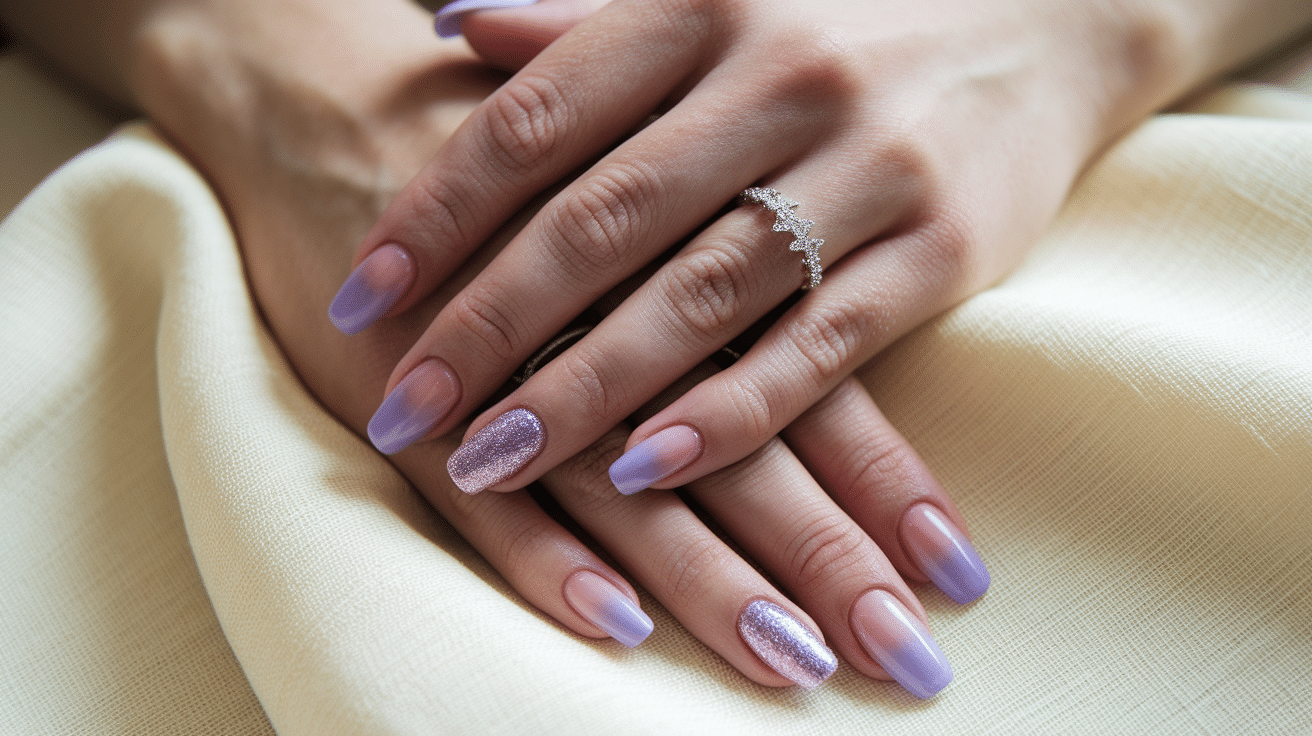
Furthermore, the way rings are worn is changing. The concept of a “ring stack” allows individuals to add different bands over time to mark anniversaries or milestones.
This modular approach to jewellery means the set can grow and change alongside the relationship. When selecting wedding rings, modern couples often look for bands that can complement an existing engagement piece while still having enough character to be worn alone. This flexibility is a hallmark of the contemporary approach to wedding planning.
Financial Mindfulness and Strategic Spending
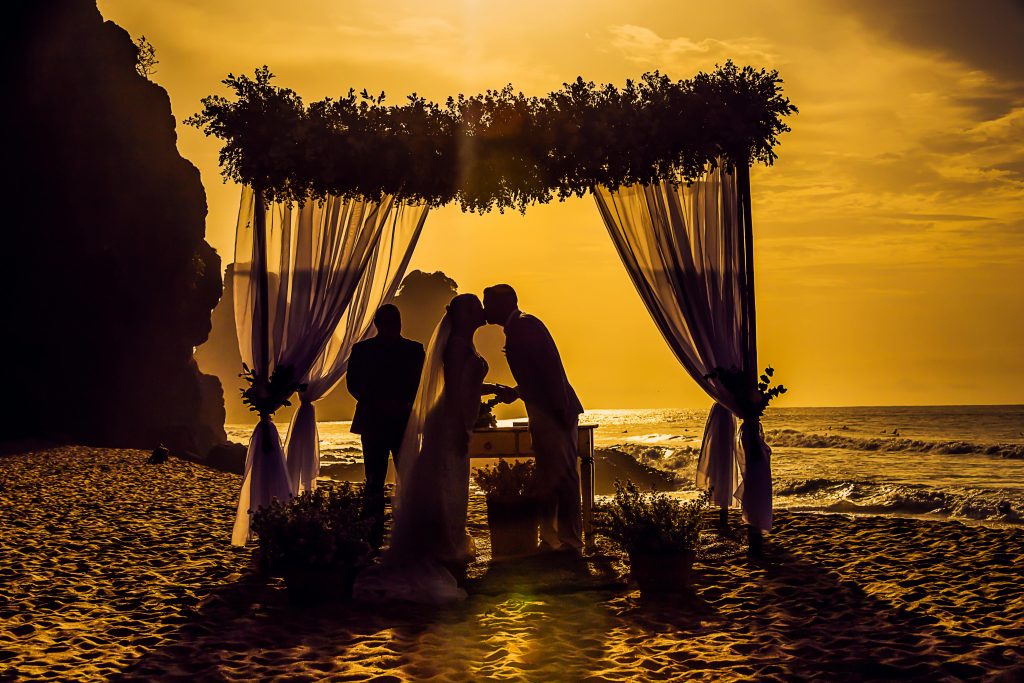
While some might assume that modern weddings are becoming more extravagant, the reality is often more measured. Couples are becoming more strategic about where they allocate their funds.
Rather than spending a large portion of their budget on a single day, they are investing in items that provide lasting value. This often includes high-quality photography, a memorable honeymoon, or a piece of jewellery that will be worn every day for decades.
A report notes that while the average cost of a UK wedding is approximately £21,990, many couples are choosing to invite fewer guests so they can spend more on the experience and quality of the event.
This “quality over quantity” mindset applies directly to selecting rings. Instead of buying the largest stone possible, many are opting for superior craftsmanship and durable metals like platinum or high karat gold.
The Return of Nostalgia and Vintage Styles
Interestingly, the move toward the future often involves looking back at the past. Vintage and Art Deco-inspired designs are seeing a significant resurgence.
These styles offer a sense of history and character that is often missing from modern, minimalist designs. Yellow gold, which was less popular in the early 2000s, has returned as a favourite metal due to its warm, classic appearance.
This trend is partly driven by a desire for “old money” aesthetics and a rejection of the fast fashion cycle. A vintage-inspired ring feels like a piece that could have belonged to a previous generation, giving it an immediate sense of heritage. For couples who value storytelling, these designs provide a perfect blend of the past and the future.
Crafting a New Tradition
Ultimately, the new tradition is that there are no traditions that cannot be questioned. Whether a couple chooses a simple titanium band or an intricate diamond set piece, the choice is entirely theirs.
The focus has shifted away from what society expects to what is meaningful to the partners involved.
This evolution in the wedding industry reflects a broader cultural shift toward authenticity. By prioritising personal values, ethical considerations, and long-term durability, modern couples ensure their wedding symbols are as unique as their relationships. As the landscape continues to change, the emphasis on quality and personal storytelling remains the one constant.