

The best winter stays begin with a ready house: heat and water on, internet verified, entrances lit, and a plan for arrival day. From there, choose how your vehicle fits the picture. Some travelers enjoy the drive; others rely on snowbird auto transport to start fresh at the door.
Use this guide to set up pre-arrival inspections, streamline transport, pack for winter, and dial in security and maintenance for a low-stress season.
Preparing Your Winter Vacation Home: Essential Pre-Arrival Checks for a Stress-Free Stay
Begin with the utilities. Confirm start dates for power, water, gas, internet, and trash service a week ahead, and ask providers about seasonal rates or reconnect fees. If the home has been closed up, schedule an HVAC tune-up and a quick plumbing walkthrough to check for leaks, slow drains, and stuck shutoffs. A clean filter and a thermostat test prevent the first-night scramble.
Next, scan the exterior and access points. Verify that door codes work, spare keys are where they should be, and outdoor lighting covers entries and parking. If you rely on deliveries, share gate codes and a contact number with your carrier and any local services. For coastal or high-wind areas, confirm gutter condition and secure loose furniture before your first winter front rolls through.
Finally, map your first 48 hours. Choose a nearby grocery, pharmacy, and fuel stop, and block a short errand loop the morning after arrival. If you’ve arranged snowbird auto transport, coordinate handoff timing so the vehicle meets you close to the property or at a large lot with easy truck access. That small bit of sequencing keeps the first day calm.
Snowbird Auto Transport Tips: Safely Moving Your Vehicle to Your Seasonal Retreat
Treat vehicle logistics like any other reservation. Request a written car shipping quote or estimate that lists origin, destination, equipment type, vehicle size, and the expected delivery timeframe. Most travelers choose open vehicle carriers for cost-efficient domestic transport, but be sure to look into enclosed auto transport for specialty or high-value cars. Verify the carrier’s USDOT and MC numbers and review safety information using the Federal Motor Carrier Safety Administration’s public database. That quick check helps you compare transport carriers on more than price.
Insurance and documentation matter just as much. Ask about shipping insurance limits and exclusions, and make sure pre-existing blemishes are photographed and recorded on the bill of lading at pickup. Remove personal items, leave about a quarter tank of fuel, provide a spare key, and note any modifications that affect ground clearance. If the property sits on a narrow street, set the pickup and delivery point at a nearby shopping-center lot where a long rig can turn easily, then share a precise map pin and a reachable phone number.
Timing improves with flexibility. Winter traffic, staging, and weather can add a few hours on either side of a window. Keep day-of errands light and have a simple backup plan if the truck arrives early or late. When planned well, snowbird auto transport lets you start the season rested, with your own gear—racks, beach chairs, golf clubs, pet setup—ready on day one.
Packing Smart for Winter: Must-Have Essentials for Cold Weather Travel
Packing works best when you think in functions, not items: safety, layers, errands, and downtime.
- Safety and vehicle kit. Jumper cables, tire inflator or sealant, a flashlight, reflective triangles, basic first-aid supplies, and a paper map for patchy-service zones. For winter segments you plan to drive, review NHTSA’s winter-driving tips and in-car checklist to align your kit with federal guidance.
- Layers that adapt. A moisture-wicking base, warm mid layer (fleece or synthetic/down), and a waterproof, windproof shell handle most conditions. Add insulated gloves, a warm hat, wool socks, and waterproof boots for cold snaps.
- Errand-day basics. Reusable shopping bags, microfiber towels for spills, disinfecting wipes, a small power bank, sunglasses, and a zip pouch for receipts and visitor passes.
- Downtime comfort. A slim e-reader, cards or a small game, and a compact speaker for low-key evenings. If you work remotely, pack a short extension cord and a travel mouse to turn any table into a desk.
And remember, there’s no need to transfer all of your belongings to a rental car. Instead, take advantage of snowbird auto transport, and store all of your car essentials ahead of time.
Home Security Strategies for Peace of Mind During Extended Winter Stays
Security starts with visibility and routines, not gadgets. Use timers or smart bulbs to stagger indoor lights, set exterior lights to dusk-to-dawn, and trim any shrubbery that hides entry points. Coordinate with a neighbor or local caretaker for a weekly sweep—mail inside, doors checked, and a quick photo of anything that looks off.
Then, make information work for you. Store Wi-Fi, gate, and alarm codes in a shared note so anyone helping can access them. If the area offers vacation house checks through local law enforcement or the HOA, enroll before you arrive. Pause or forward nonessential mail and deliveries, and avoid broadcasting empty-house windows on social feeds. When you do step away for a few days, leave blinds varied and a car in the drive if possible. Simple habits create the lived-in look that deters casual opportunists.
Decorating and Maintenance Tips for Your Winter Vacation Property
Keep décor easy to maintain and geared to natural light. Neutral linens, washable throws, and a couple of textured rugs warm up rooms without heavy upkeep. A small entry bench with hooks and a boot tray saves floors during rainy spells. Plants thrive in brighter winter sun, but choose low-care varieties and set them on a watering schedule before you settle in.
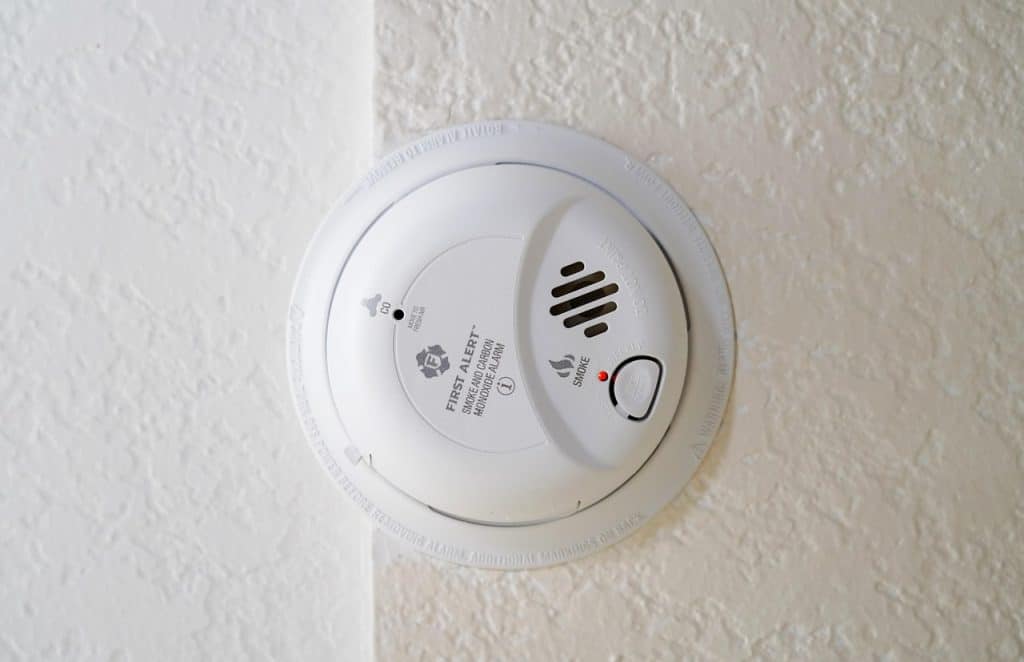
Preventive maintenance pays for itself. Swap HVAC filters, test smoke and carbon-monoxide alarms, and check weather-stripping on doors and windows to cut drafts and energy costs. In coastal or windy zones, secure outdoor furniture and inspect screens. A quick kitchen reset helps too: descale the coffee maker, run a sanitizing cycle on the dishwasher, and stock a starter kit of bulbs, batteries, tape measure, felt pads, and a multi-tool. Those small touches make the space feel ready for guests and quieter day-to-day living.
At the end of the day, a little bit of preparation goes a long way.
Set the utilities, stage the car, and keep the first two days light. If driving the full distance doesn’t fit your calendar, snowbird auto transport can handle the long legs so you arrive fresh and focused on home setup instead of highway miles. With a vetted carrier moving the vehicle and a short checklist guiding the house, the rest of winter becomes what you planned it to be: simple routines, calm evenings, and time where you want it.