
Have you ever found yourself spending a few dollars here and a few dollars there before realizing, ‘hey, these small purchases actually stack up into a considerable outlay’?
In our digital world, in which virtual coins, currencies, and tokens are often accepted by websites and apps, it’s easy to make a series of small payments with little thought – only to check your bank balance later and realize that the accumulative effect can be costly.
This can really impact your digital wellbeing, so we felt that now is the time to take a deep dive into virtual coins and offer guidance on how to stay in control of your spending online.
Why Virtual Coins Don’t Feel Like Real Money
The psychology of spending has changed ever since the digital revolution of the 2000s.
Human conditioning attributes more value to things that we can touch and see, which perhaps explains why some of us are more frivolous in our spending online – as opposed to handling cold, hard cash.
Research studies have also concluded that people tend to be more prone to ‘overspending’ and impulse purchases online, compared to the traditional retail shopping experience.
This is what can be labelled ‘mental accounting’, which attributes lower safeguards to spending online – as opposed to physical notes and coins.
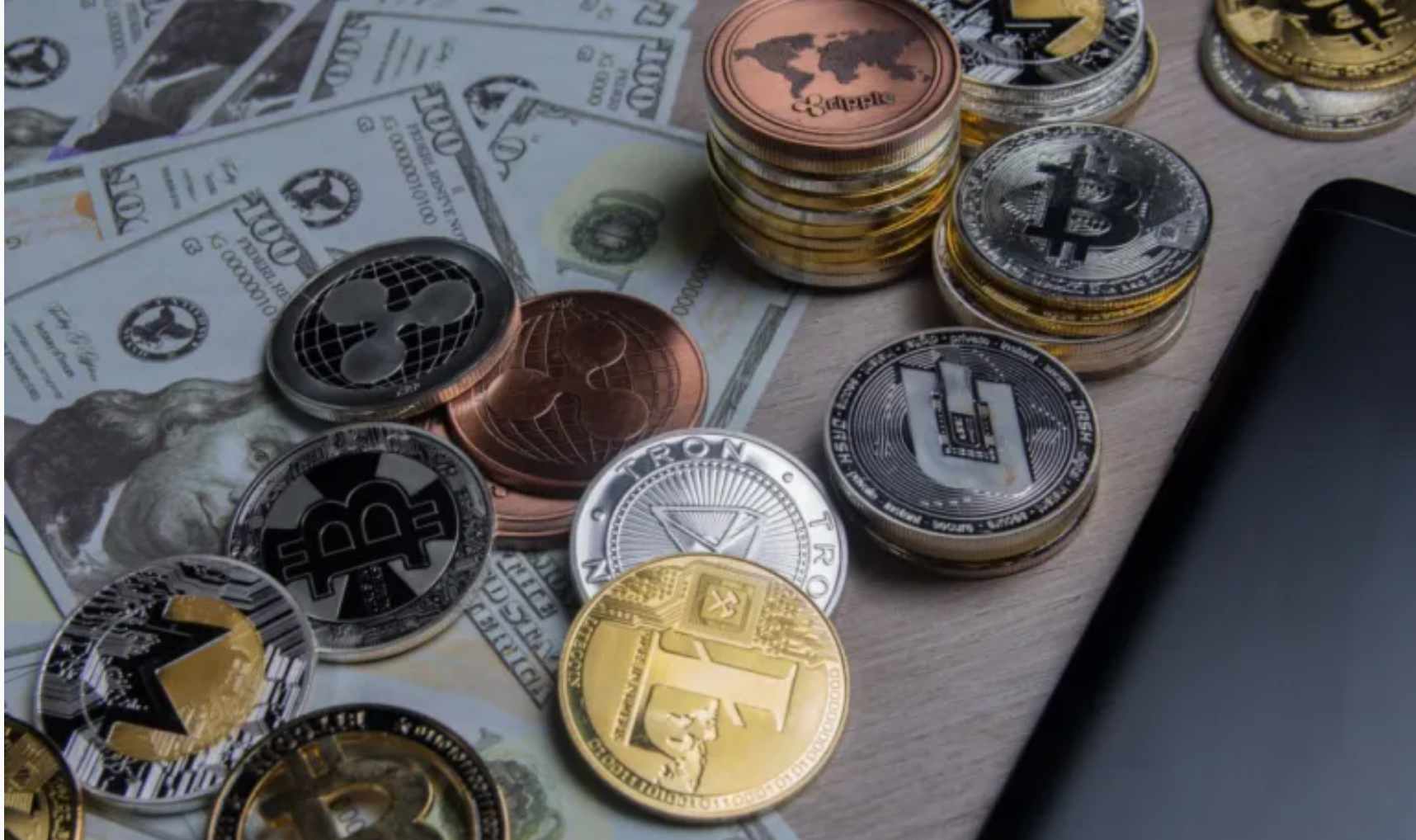
This is evidenced with virtual currencies like coin bundles and ‘limited time’ token purchases, which can be a common source of overspending.
Reward Loops 101
You may have heard of the phrase ‘reward loop’ before.
This is, quite simply, doing things that release dopamine – the ‘feel good’ chemical – into the brain.
That could be something simple like spending time with friends or exercise, but increasingly reward loops are connected to our digital universe – scrolling on social media, for example, and then wondering where that past 30 minutes went.
Online creators are becoming increasingly smart in their targeting of reward loops – making a purchase and receiving a free ‘mystery’ gift, for example, is often a low-cost strategy on the part of retailers that drives sales and creates a sense of reward and anticipation on the part of buyers… even if the mystery item they ultimately receive is worthless or low quality.
‘Casino Like’ Mechanics Without the Casino Label
Have you ever played an online game and found yourself opening a loot box, purchasing player packs, or spinning a wheel?
These random features are designed to unlock another psychological stimulus, the ‘near miss’ effect, that works in a similar way to a reward loop.

You might purchase a player pack in the hope that you reveal a LeBron James or a Steph Curry; the anticipation of opening the pack triggers the near miss effect.
Gaming sites that use their own unique ‘coin economy’ operate on similar lines. For example, most social casinos offer free coins to their players, which they can use on a variety of games.
They may offer bonuses and promotions that reward players with additional coins, which can facilitate repeat play and longer gaming sessions.
Research replicated in a PLOS ONE study found a correlational link between loot box spending and problem gambling. So, chance-based monetization and reward loops can have a negative impact on the digital wellbeing of some people – although it’s important to note that the study concludes the link is a correlation, rather than proof of causality.
Research and Practical Resources
You can read the PLOS ONE study as a starting point if you’re interested in learning more about reward loop psychology.
The Federal Reserve Bank, the European Central Bank, and companies like Visa have also produced fascinating research into how our spending habits are changing in an era of digital wallets and online payments.
If you want to familiarize yourself with how virtual coin-based platforms describe their rewards and bonuses, you can skim this social casino list overview from The Playoffs as a reference point for the language and mechanics used.
Where Spending Friction Disappears
Spending friction exists when a purchasing decision is affected by a slowing down of the purchasing process, i.e. there’s a long queue at the register.
In our digital age, some of these frictions have been smoothed. We can tap our debit card to make an instant payment – no need to go to the ATM first, while online we can store our payment details to make one-click payments next time.
As mentioned, the removal of these obstacles can lead to more frequent spending and impulse purchases, so it’s vital to remain in control even in an era in which splashing the cash online has never been easier.
In 2022, the Federal Trade Commission (FTC) sued Epic Games, the maker of Fortnite, for $245 million. They argued that the firm used ‘digital dark patterns’ to convince players to make unintentional in-game purchases using V-Bucks, the virtual currency.
Practical Guardrails for Students
So how can you protect yourself from making similar unintentional purchases, or overspending, online?
Here’s a quick checklist that you can refer back to:
· Set a monthly micro spending limit (e.g. $20). Track and update your spending with each individual purchase.
· Remove your stored payment methods and saved passwords for sites you make repeat purchases from.
· Turn off purchase prompts/notifications on your devices where possible.
· Use gift cards and/or a separate account for planned, discretionary spending.
· Adopt a ’24-hour’ rule. After deciding to make a purchase, wait for 24 hours to see if you feel the same. This is particularly important for more expensive items, such as virtual coin bundles.
· Be accountable: set up a buddy system with a friend or roommate to monitor each other’s spending.
And if you want more advice on effective budgeting, you can read our article on budget safety nets via the link provided.
Better Wellbeing Online
Only you can decide how and where you spend your money.
But in our digital world, it can be easy to overspend or lose track of purchases when virtual coins and tokens replace cash as payment methods.
So please feel free to bookmark this article for future reference, and implement our budgeting and tracking plan for one month… you might be surprised at the difference it can make to your finances.